

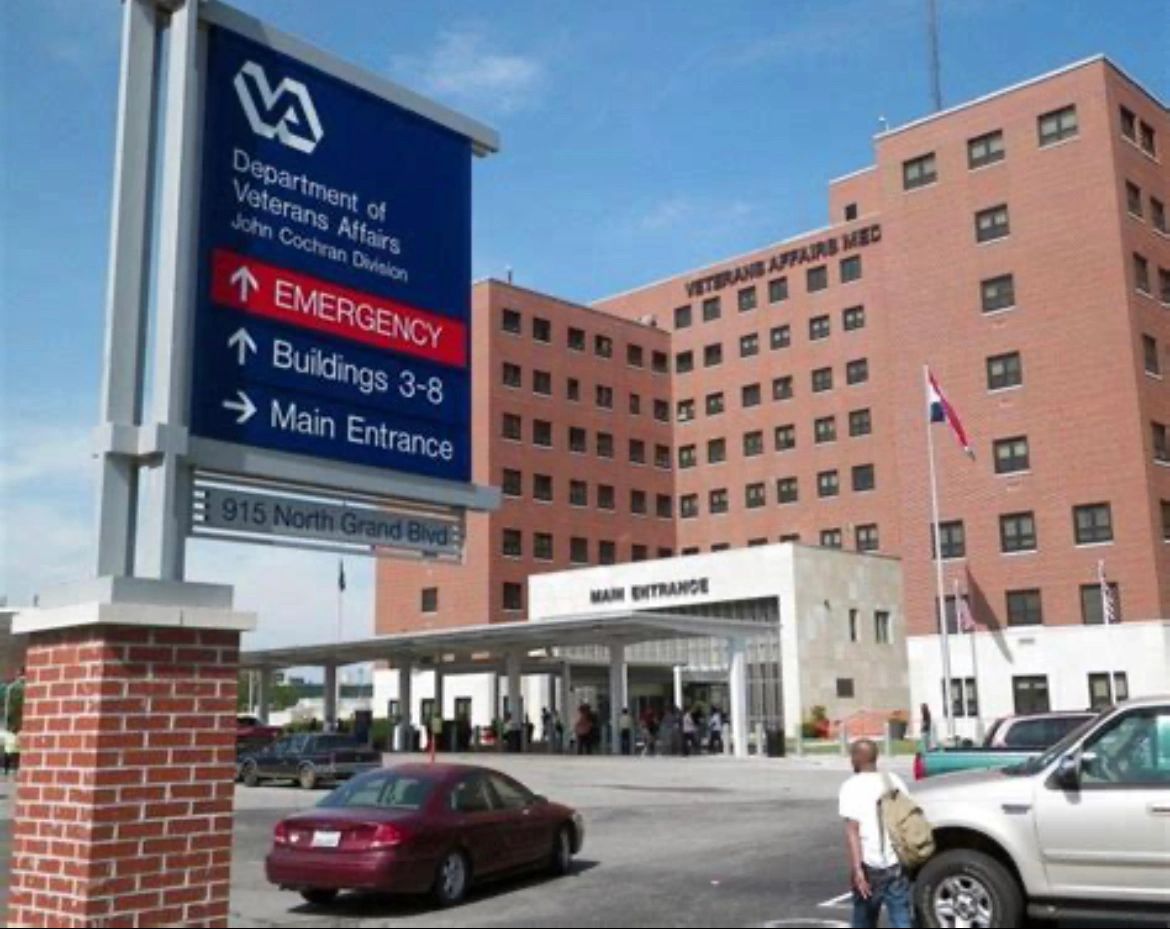
The Veterans Affairs Hospital, with its imposing yet comforting structure, stood as a symbol of hope and healing for countless individuals who had served their country. It was a place where the echoes of battle were replaced by the whispers of recovery, and where the wounded souls of veterans found solace in the caring hands of medical professionals like Registered Nurse Eric Martin.
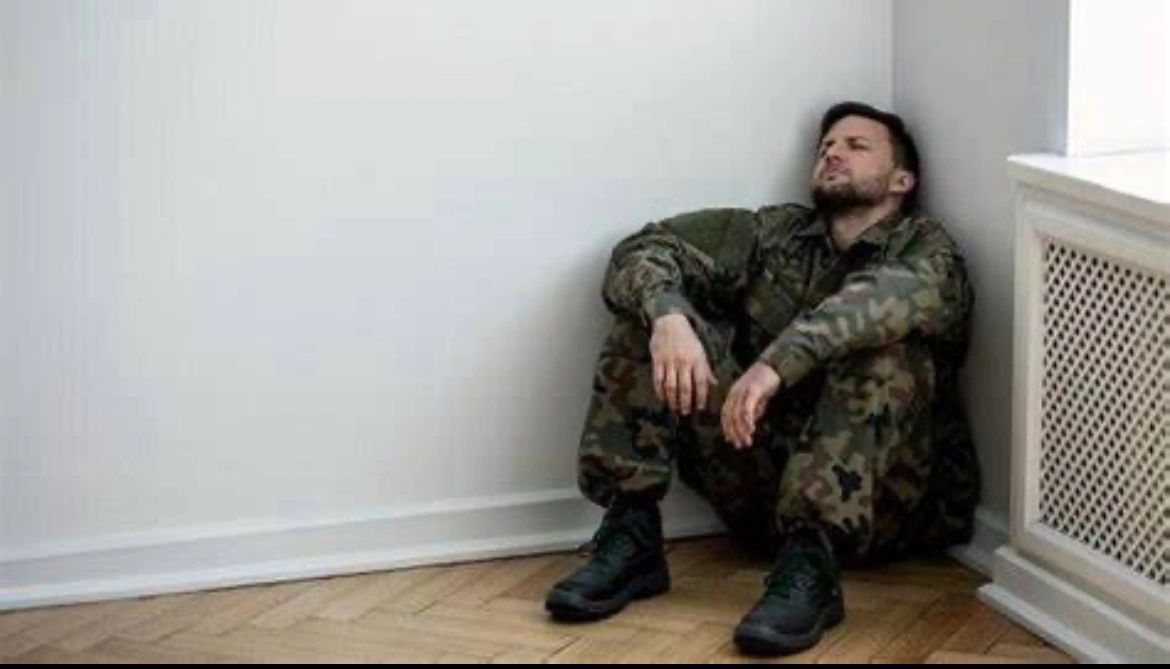
This story began on a warm summer afternoon, when a hispanic young girl named Elisia entered the hospital’s doors. Her steps were tentative, her heart heavy with worry. Her father, a brave veteran who had returned from a tour of duty overseas, was now an inpatient at the hospital’s psychiatric unit. The invisible scars of war had left their mark, manifesting as anger and abuse directed towards Elisia’s mother.
Elisia was greeted at the hospital entrance by Spirit the Dragonfly and his loyal companion, Hover. Their presence, though enchanting and ethereal, was grounded in a mission of compassion. They had heard of the family’s struggles and felt a calling to offer their unique form of support, bridging the gap between the tangible and the magical.
As Elisia stepped into the waiting area of the psychiatric unit, Spirit transformed into his dragonfly form, his iridescent wings catching the light as he gracefully landed on her shoulder. Hover, with his diminutive yet reassuring presence, fluttered nearby.
Elisia, her eyes glistening with unshed tears, felt a gentle weight on her shoulder and looked up in surprise to find Spirit the Dragonfly perched there, his luminous eyes filled with empathy. She had heard of extraordinary beings who could offer solace in times of need, but encountering one was beyond her wildest dreams.
“Who are you?” she asked, her voice quivering.
“I am Spirit,” the dragonfly replied in a soothing, melodic voice. “And this is Hover. We are here to help, Elisia. We understand the pain your family is going through, and we want to provide our support and guidance.”
Elisia, her heart heavy with the burden of her family’s troubles, felt a glimmer of hope in Spirit’s presence. “My dad… he’s so different now. I just want my family to be happy again.”
Hover, with a soft hum, hovered closer, emitting an aura of warmth and understanding. Registered Nurse Eric Martin, who had been observing the interaction from a distance, approached Elisia with a kind smile. He had seen many families endure similar trials and understood the heavy weight they carried.
“Elisia,” he began gently, “your father is in good hands here. We are dedicated to helping him heal. And you are not alone in this journey. There are support groups and resources available for families like yours.”
Elisia, with newfound hope, nodded. “Thank you, Mr. Martin. I just want my family to be happy again.”
Mr. Martin, a compassionate and dedicated healthcare professional, patted her shoulder reassuringly. “We’ll do our best to make that happen. And with the help of these extraordinary companions of yours,” he said, gesturing to Spirit and Hover, “we may just achieve something remarkable.”
The days that followed were marked by Elisia’s frequent visits to the hospital. She spent time with her father during his therapy sessions, slowly learning about PTSD and its profound effects on veterans and their families. The more she learned, the more she began to understand the depth of her father’s pain and the importance of patience and compassion.
Spirit and Hover, always by Elisia’s side, provided their unique form of comfort and wisdom. They encouraged her to share her feelings with her father and mother, recognizing that open communication was a crucial step towards healing the family’s wounds.
Elisia’s father, through the haze of his trauma, gradually began to respond to her love and understanding. He appreciated her unwavering support and her determination to mend their fractured family. As he engaged in therapy, the hospital staff observed a glimmer of hope returning to his eyes.
One evening, in a tranquil corner of the hospital’s garden, Spirit and Hover encouraged Elisia to have a heartfelt conversation with her father. They believed it was the right time for him to express his emotions, to share the burden that had haunted him for so long. Elisia hesitated but ultimately mustered the courage to speak.
“Dad,” she began, her voice filled with vulnerability, “I miss the way things used to be. I miss you, the real you. But I understand that what you went through was really tough. I want to help you, and I want us to be a family again. I love you.”
Tears welled up in her father’s eyes as he looked at his daughter, the beacon of light in his darkest moments. “Elisia,” he said, his voice trembling, “I’m so sorry for everything. I’ve been carrying so much pain, and I’ve let it hurt all of us. I want to get better, for you and your mother.”
It was a pivotal moment in their journey. The bridge of understanding had been built, and the healing process had truly begun. Elisia’s father, with the guidance of Spirit and Hover, made the courageous decision to continue with his therapy and to address the traumatic memories he had been avoiding.
Registered Nurse Eric Martin, who had been overseeing this transformative journey, recognized the progress Elisia’s family was making. He introduced them to a support group for veterans and their families, providing them with a network of individuals who understood the complexities of living with PTSD.
In the group, they met others who had faced similar challenges and found solace in sharing their experiences and strategies for coping. Elisia’s mother, too, began to receive the support she needed to heal from the scars of a tumultuous home life.
The hospital’s therapeutic programs, combined with the unwavering support of Spirit and Hover, brought significant changes to Elisia’s family. The anger that had dominated their home gradually began to dissipate, replaced by understanding, patience, and love.
As the seasons changed, the family started to engage in therapeutic activities, such as art and nature therapy, which allowed them to express their feelings and find solace in the beauty of the natural world. Together, they rediscovered their love for the outdoors and embarked on picnics, hikes, and adventures, reconnecting with the world around them.
Elisia, with her newfound wisdom and resilience, emerged as a young advocate for mental health awareness in her school and community. She shared her family’s story, spreading understanding and compassion to others who were facing similar challenges.
The journey was not without its challenges, but it was marked by progress, resilience, and the healing power of love and understanding. With the support of Spirit the Dragonfly, Hover, and the dedicated healthcare professionals at the Veterans Affairs Hospital, Elisia’s family began to rebuild their lives and find hope amidst the pain.
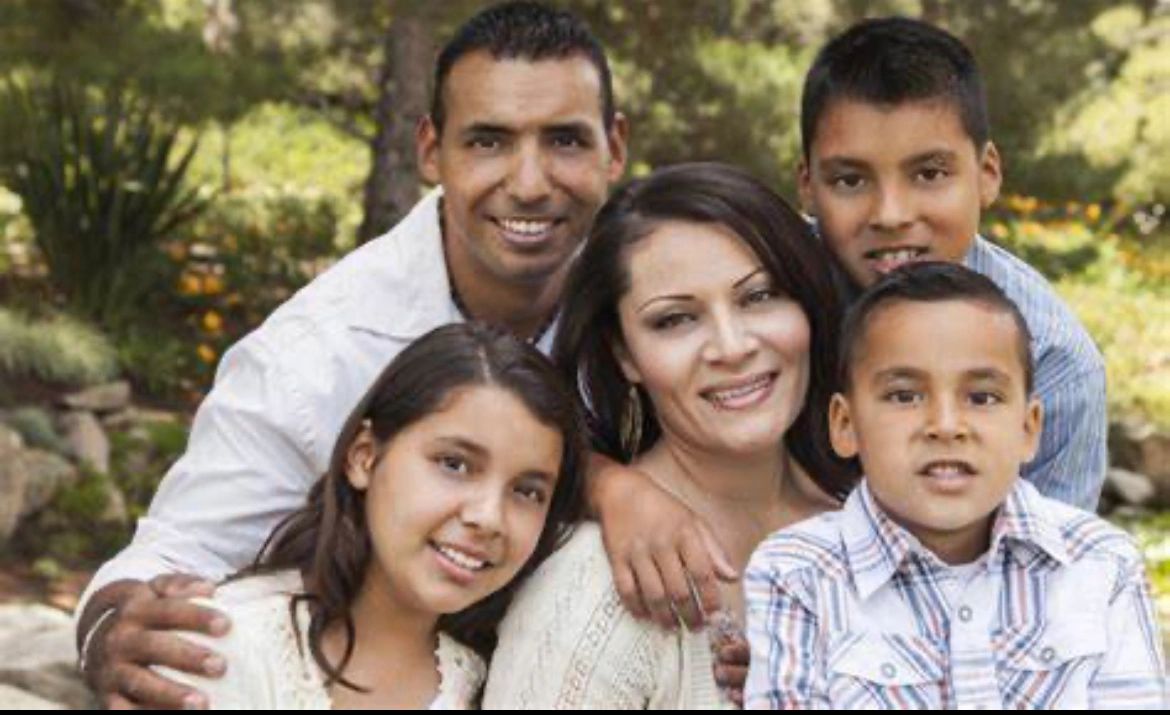
As the story of Elisia and her family unfolded, it served as a testament to the strength of the human spirit and the transformative power of love and support. Elisia’s father, once lost in the depths of his trauma, had found his way back to the light, guided by the unwavering love of his daughter and the extraordinary companionship of Spirit the Dragonfly and Hover.
Through the darkest of times, they had discovered that healing was possible, and that even the deepest wounds could mend with time, understanding, and the support of those who cared. The hospital, once a place of struggle and pain, had become a beacon of hope for Elisia.
Resources for Families:
1. **VA Caregiver Support**: The U.S. Department of Veterans Affairs provides a range of services and support for caregivers of veterans. You can find resources on their website or contact the VA Caregiver Support Line.
2. **National Center for PTSD**: The National Center for PTSD offers information, resources, and self-help tools for veterans and their families. They also have a section specifically for family members.
3. **Veterans Crisis Line**: If you or your loved one is in crisis, you can call the Veterans Crisis Line at 1-800-273-8255 (Press 1) for immediate help.
4. **Local Veterans Service Organizations**: Many local organizations provide support and resources for veterans and their families. These can include VFW posts, American Legion branches, and more.
5. **Online Support Communities**: There are online forums and communities where families of veterans with PTSD can connect, share experiences, and find advice. Websites like Make the Connection and Real Warriors can be helpful.
Remember, supporting a loved one with PTSD is a challenging but honorable task. Your support and understanding can make a significant difference in their journey to recovery.
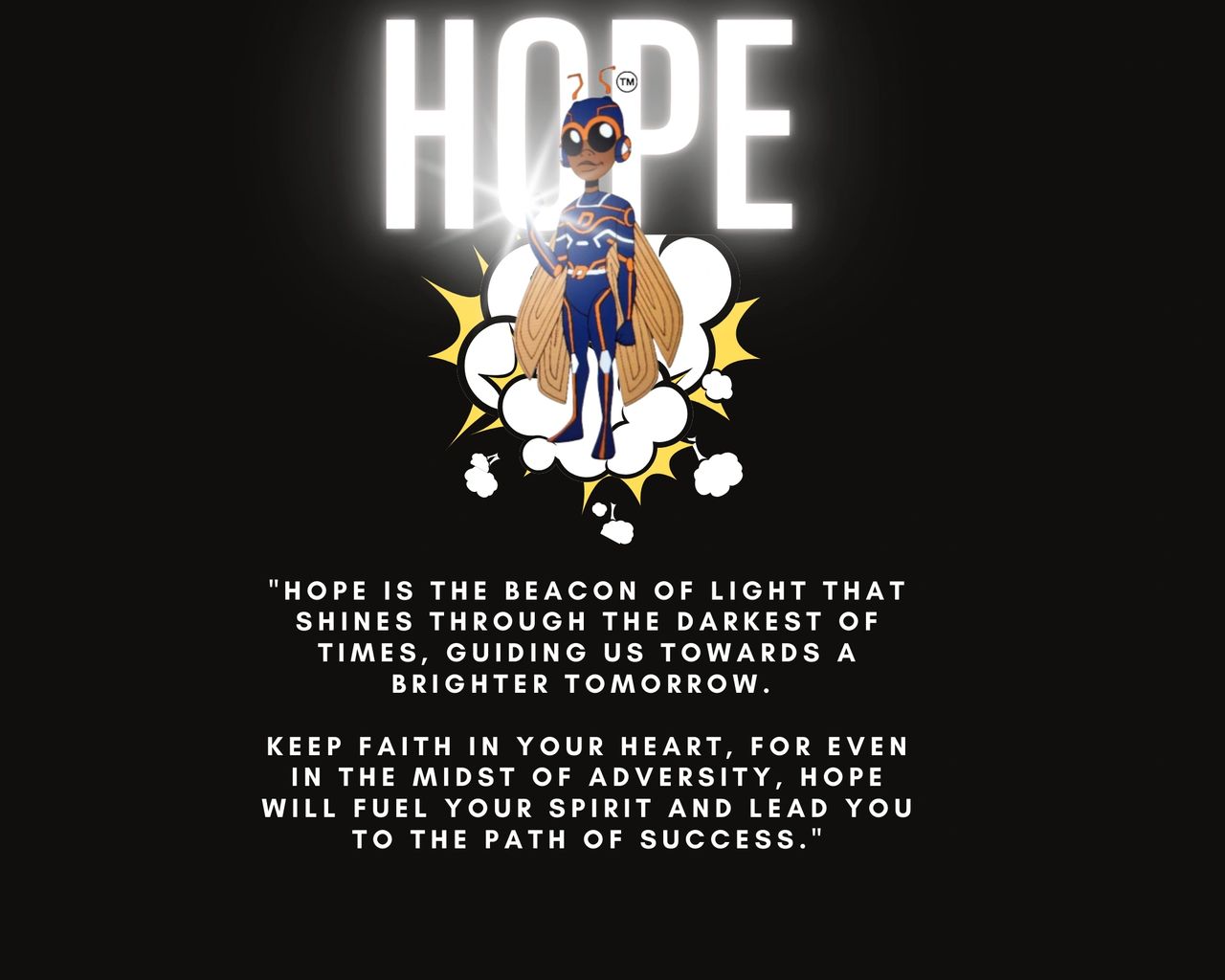
Remember, reaching out for help is an act of courage, and there is support available to you. You are not alone, and your voice matters!
MOE GRACE
Copyright © 2023, Monte D. Grace. All rights reserved.